
Know when to plant
Wajenzi turns soil, satellite and weather data from each plot into one planting instruction for Ghanaian farmers, sent by USSD or voice to any basic phone.

The problem
Most farmers in northern Ghana plant by a calendar the rains no longer follow.
There is rarely an extension officer nearby to say otherwise. Plant on a false start and the seed dies in dry soil. Plant too late and the crop runs out of season. Afraid of losing everything, many farmers hold back on seed and fertiliser, and the harvest stays small year after year.
Forecasts and soil data already exist, but they arrive late, cover whole regions instead of single plots, and speak in probabilities. Wajenzi measures the plot itself and answers the question a farmer actually has: plant now, or wait.
5,633
Farmers per extension officer in Nadowli district
50%
Yield swing from planting date alone
20%
Of the grain lost after harvest in a bad year
160
Characters on a USSD screen. Our advice fits in one.
How we got here
We mapped why planting decisions fail across West Africa: weather, markets, finance and delivery.





From soil to one instruction

Measure the soil on the plot
A solar-ready sensor reads soil moisture and conductivity through a steel probe and sends them over LoRa radio, with no mobile data needed.
- Measure
- Decide
- Deliver

Every season is a bet
A planting date taken from an old calendar can cost half the harvest.

One decision comes first
When to plant and how much to spend are settled months before anyone sees the crop.

Plant, or wait for rain
So we send one instruction a farmer can act on today.
What we’re building

A solar-powered soil probe in a 3D-printed case, built to be tested in the open field next season.
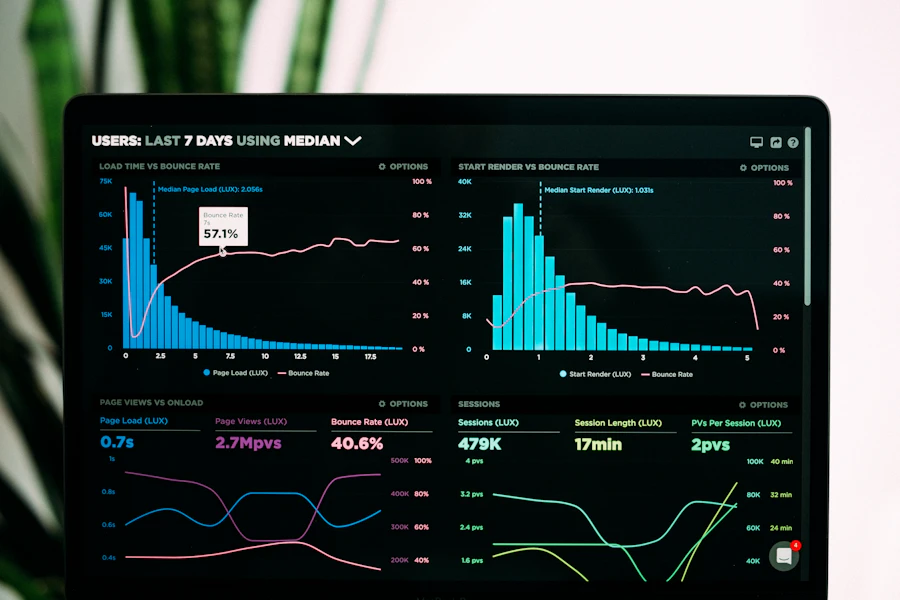
The engine that turns soil, radar and forecast data into a plain plant-or-wait decision.

A test network that proves every instruction fits the limits of a basic phone.

Planting advice recorded by native speakers, because synthetic voices fail tonal languages.

Our first field test, in a district where one extension officer serves thousands of farmers.
We start in northern Ghana

months later than the old calendar: June, not March
Questions
Does a farmer need a smartphone?
No. Advice arrives by USSD or a voice call, which work on any basic phone without mobile data.
What if the farmer cannot read?
Every instruction is also a recorded voice message in the farmer's own language, starting with Twi and Dagbani.
What does the advice actually say?
One thing to do, such as “Wait for the next rain to plant.” No percentages and no charts to interpret.
How do you decide when to plant?
We combine soil moisture from sensors in the field with satellite radar and ECMWF forecasts. For maize, we say plant when the soil holds at least 15% water and the rains look set to continue.
Which crops do you start with?
Maize, because its germination needs are well understood. Other staple crops follow once the maize advice is proven in the field.
What are you still testing?
Whether farmers trust a voice message over the advice of community elders when the two disagree, and whether more people finish a voice call or a USSD menu.